
Rebuilding
Why can a change of scene help you through a life crisis?
When everything feels stuck, stepping away from your usual setting gets things moving again. Here is why, and on what conditions.
Rebuilding
After burnout, people often hear: "Take a holiday, you'll feel better." Yet a week's rest is almost never enough. Here is why a long, supported retreat can make the difference.
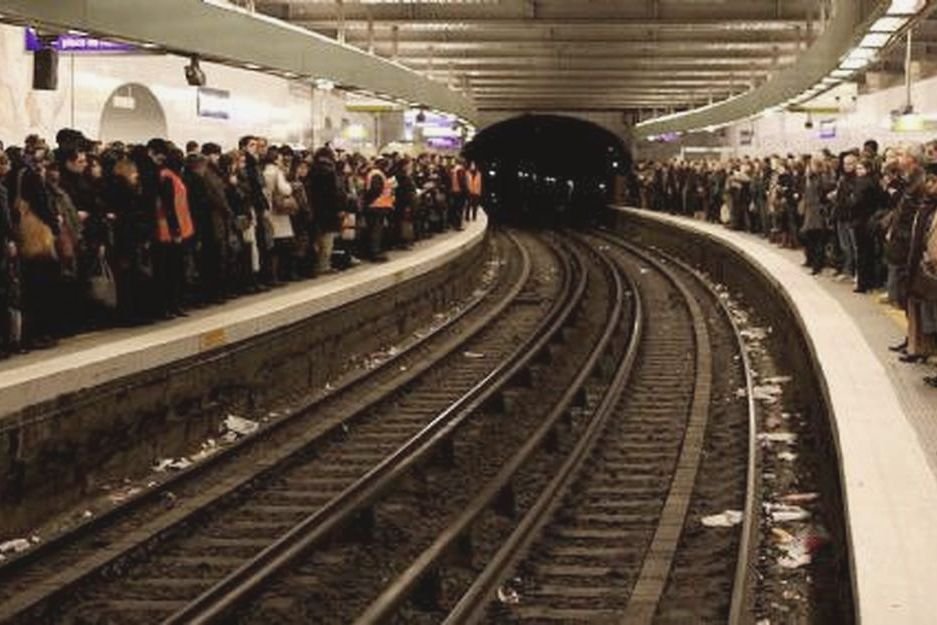
Burnout sets in gradually: tiredness that no longer goes away, disturbed sleep, irritability, loss of motivation, the feeling of no longer being up to the job, sometimes physical symptoms. When it breaks, it leaves the person drained, often guilty, and disoriented.
The first step is always medical: see your doctor, take sick leave if needed, get proper follow-up. A retreat does not replace this step. It can, however, be a valuable help afterwards, once the acute phase has passed.
A week's holiday rests you a little, but changes nothing underneath. You go back to the same environment with the same habits, and the tiredness returns within days. Worse, many exhausted people find holidays hard: they cannot switch off, they think about work, they feel guilty for doing nothing.
It often takes one to two weeks for the tension to drop. On a four-week retreat, that time is not wasted: it is part of the process. You are allowed to spend the first days sleeping.
Alternating activity and rest, with a two-to-three-hour break at the hottest time of day, teaches body and mind again that it is possible, even necessary, to stop.
Walking, gentle yoga, working the soil: the body, often forgotten during months of overwork, finds its place again. Sleep improves.
The talking circle and one-to-one sessions help you understand what happened: your own limits, the values that were undermined, the way you function. Without guilt, and while hearing others who have been through similar things.
Burnout isolates. Spending time with six or eight caring people who do not judge reconciles you with relationships.
The fourth week is devoted to preparing your return: what do you want to change? Go back to the same job, ask for adjustments, consider a career change? You leave with a few concrete decisions and remote follow-up.
Beyond recovery, this kind of retreat gives you stress-management tools you keep afterwards: breathing, meditation, the evening review, the ability to set limits. Repeated for a month, these practices become habits.
The right time is not at the height of the crisis, but when the acute phase is over and you feel ready to open up to a group. Talk to your doctor. During our discovery call, we look together at whether the timing is right.
Discover the Sea Retreat, often chosen by people recovering from exhaustion for its space and light.
Read next
Rebuilding
When everything feels stuck, stepping away from your usual setting gets things moving again. Here is why, and on what conditions.
The retreat
From dawn to evening, hour by hour: activities, talking circle, rest, and why this rhythm does you good.
Method
Attention, the evening review, the view from above: simple practices inherited from the ancient philosophers.