
The retreat
What does a day on a supported retreat look like?
From dawn to evening, hour by hour: activities, talking circle, rest, and why this rhythm does you good.
Method
The word "spiritual" may surprise you. It is not about religion, but about a very old tradition: philosophy as a way of life. These exercises run through our days.
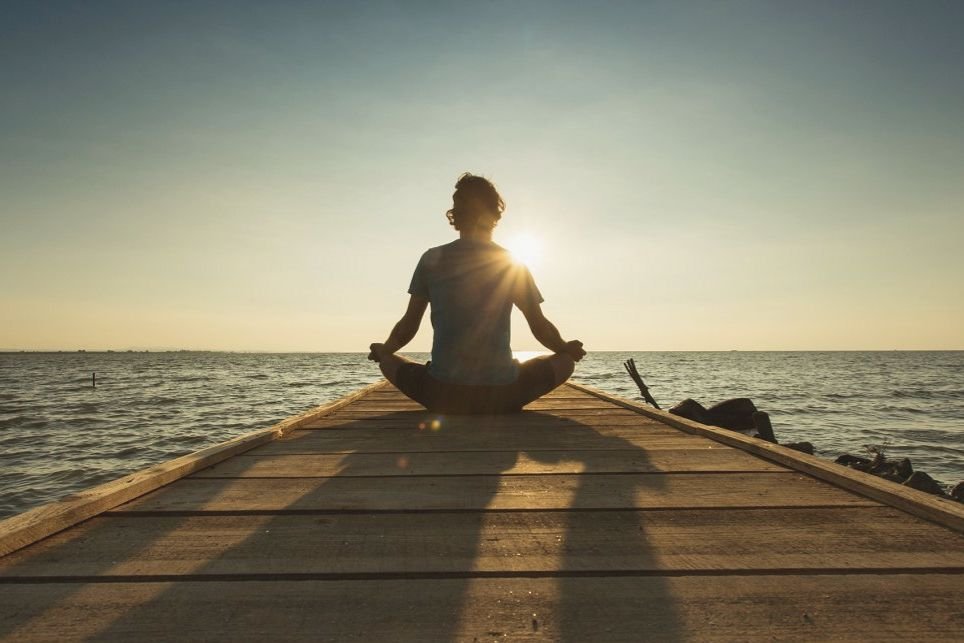
For the philosophers of Antiquity, Stoics, Epicureans and others, philosophy was not first of all a theory. It was a way of living, worked on every day through concrete exercises. The French philosopher Pierre Hadot brought this idea back to light in a book that has become a classic, Philosophy as a Way of Life.
"Spiritual" is meant in a broad sense: these exercises involve the whole mind, thought, imagination and emotions. They aim to transform how we see ourselves and the world. Many echo Buddhist practices found everywhere in Thailand.
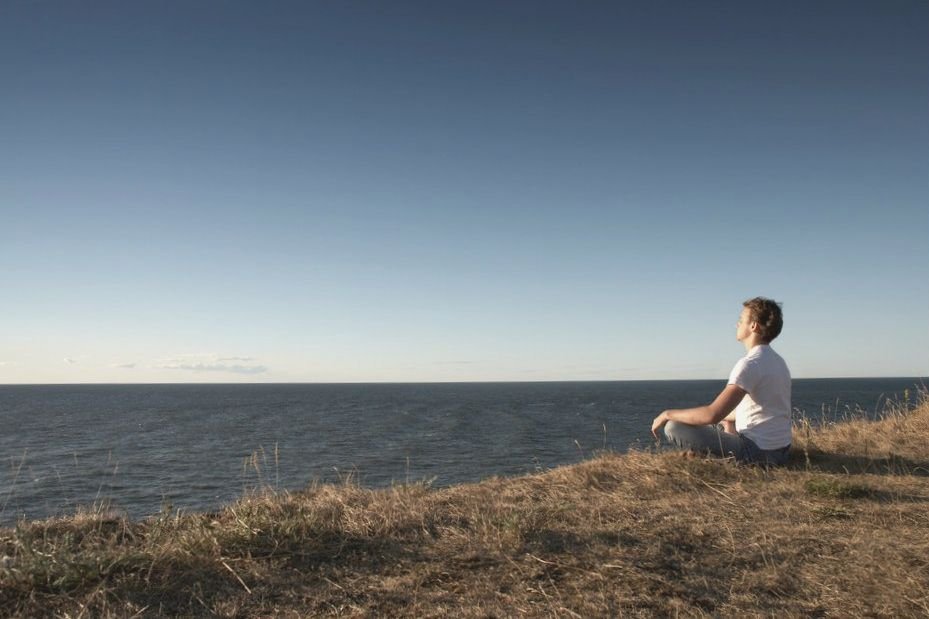
Coming back to what is here, now: the breath, the gesture, the landscape. Neither the past that gnaws nor the future that worries. This exercise, close to mindfulness meditation, is practised in the morning, but also while working the soil or walking on the beach.
The Stoic Epictetus invited us to separate what depends on us (our judgements, choices and actions) from what does not (other people, the past, events). This simple distinction brings great relief, especially under stress: you stop exhausting yourself over what you cannot change.
Imagine rising up and looking at your life from afar, as if from a mountain or a plane. Problems return to their true size. Travel itself, thousands of kilometres from home, is a form of view from above.
The philosopher Seneca describes going over his day each evening: what did I do well? What could I have done differently? Without judging himself, simply to learn. We like to add a question: what am I grateful for today?
Keeping a notebook, noting thoughts, emotions and discoveries. Marcus Aurelius left his Meditations, written for himself alone. Writing helps you clarify, gain perspective and see how far you have come.
A sudden shower, a late bus, an unexpected dish: when travelling, the unexpected is everywhere. Each annoyance becomes a small exercise in adapting calmly, what Thais call jai yen, keeping a cool heart.
Stress feeds on rumination, anticipation and the feeling of having no control. These exercises act on exactly these three levers: they bring you back to the present, help you put things in perspective and give you a grip on what depends on you. Practised daily for a month, they become reflexes.
This is their great strength: these exercises need no equipment, no special place and little time. Five minutes in the morning, five minutes in the evening. Participants take them home, and it is often what makes the benefits of the retreat last.
It is not things that disturb us, but our judgements about things. Epictetus, Enchiridion
To see how these exercises fit into our days, read a typical day, hour by hour.
Read next
The retreat
From dawn to evening, hour by hour: activities, talking circle, rest, and why this rhythm does you good.
Rebuilding
A week's holiday is rarely enough to recover from exhaustion. What a long, supported retreat makes possible.
Understand
Definition, method, framework: what sets a supported retreat apart from a simple holiday or a wellness break.