
Rebuilding
A retreat after burnout: why four weeks change everything
A week's holiday is rarely enough to recover from exhaustion. What a long, supported retreat makes possible.
Rebuilding
"I need to get away." Many people going through a hard time feel this need without daring to listen to it. It is not running away, as long as you go about it the right way.
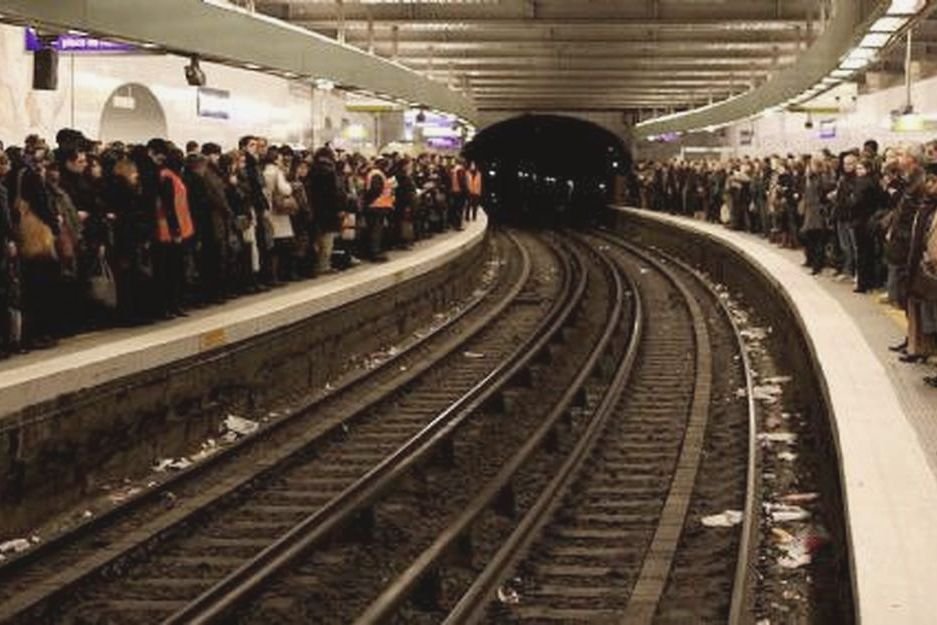
Our everyday environment is not neutral. The house, the commute, the office, the faces, the timetable: everything is loaded with memories and habits. In a crisis, these surroundings end up constantly reminding you of what hurts. The kitchen where you used to eat as a couple. The phone ringing about work. The empty chair.
Automatic habits, useful in normal times, then become traps. You wake at the same time with the same thoughts, repeat the same gestures, find the same worries in the same places. The mind goes round in circles because nothing around it changes.
In a new place, the brain has to stay attentive. Everything is new: sounds, smells, light, language. This attention to the present leaves less room for rumination. Many participants say: "For the first time in months, I stopped going round in circles."
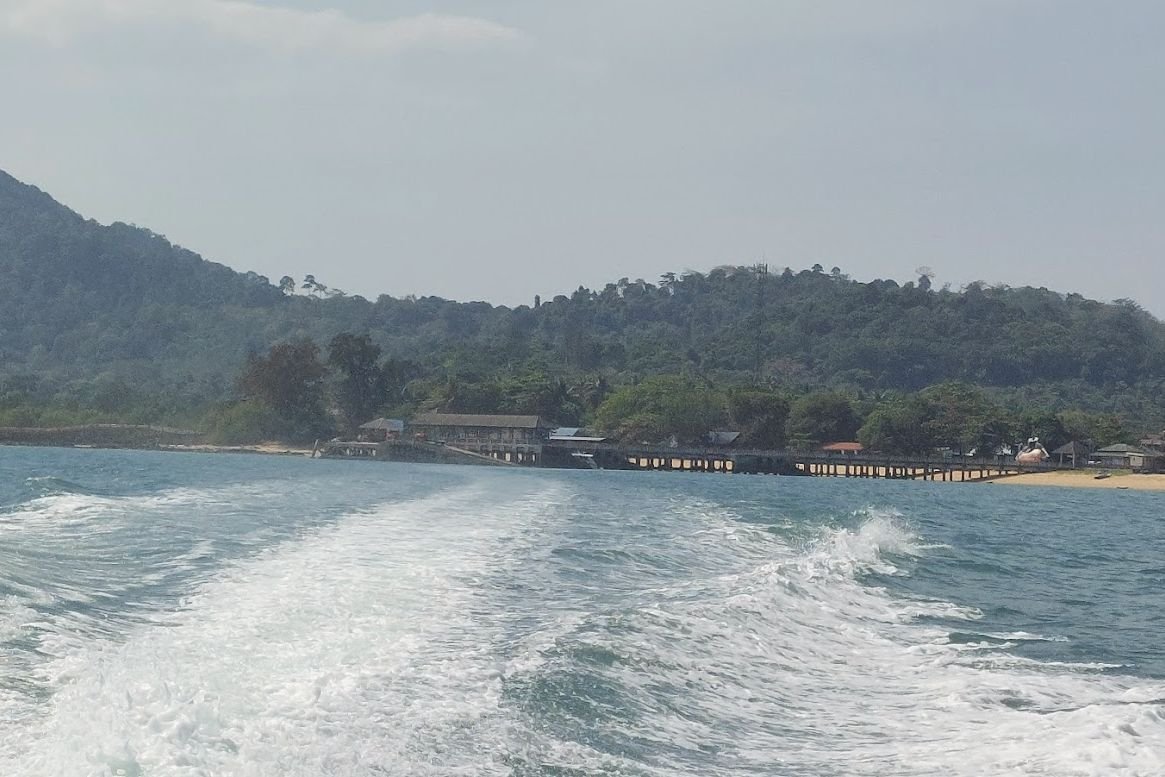
Ten thousand kilometres away, problems do not disappear, but they change size. Geographical distance helps create inner distance. You see your life "from afar", a bit like looking at a map.
Nobody knows you. You are no longer "the burnt-out manager", "the widow" or "the new retiree". You are one person among others, free to try being a little different. This is often where the first changes appear.
A different climate, different food, different rhythms: the body wakes up. Sleep readjusts, appetite returns, walking becomes a pleasure again.
Going alone can do you good, but it carries risks when you are fragile: isolation, feeling lost, the temptation to fill the void with activity or alcohol. You can come back more tired than when you left.
Travelling to rebuild yourself gains a great deal from support. The framework reassures. The group prevents isolation. The professional helps put into words what the change of scene brings up. This combination turns a simple change of scenery into a real step in rebuilding.
Running away means leaving so as not to look. Rebuilding means leaving to look more clearly, in a place and a framework that make it possible. The difference lies in the support and the intention. And it shows on return: you do not come back to resume exactly the same life, but with a few concrete changes you have chosen.
You do not change your life by changing place. But changing place, with others, helps you see what you want to change.
To understand how we organise this change of setting, discover our approach to therapeutic travel.
Read next
Rebuilding
A week's holiday is rarely enough to recover from exhaustion. What a long, supported retreat makes possible.
Understand
Definition, method, framework: what sets a supported retreat apart from a simple holiday or a wellness break.
Connection
Why six to eight people is the right number, and what group dynamics bring to each person.