
Rebuilding
Why can a change of scene help you through a life crisis?
When everything feels stuck, stepping away from your usual setting gets things moving again. Here is why, and on what conditions.
Understand
The term is used more and more, often for very different things. Here is what it really means, and how to recognise one.
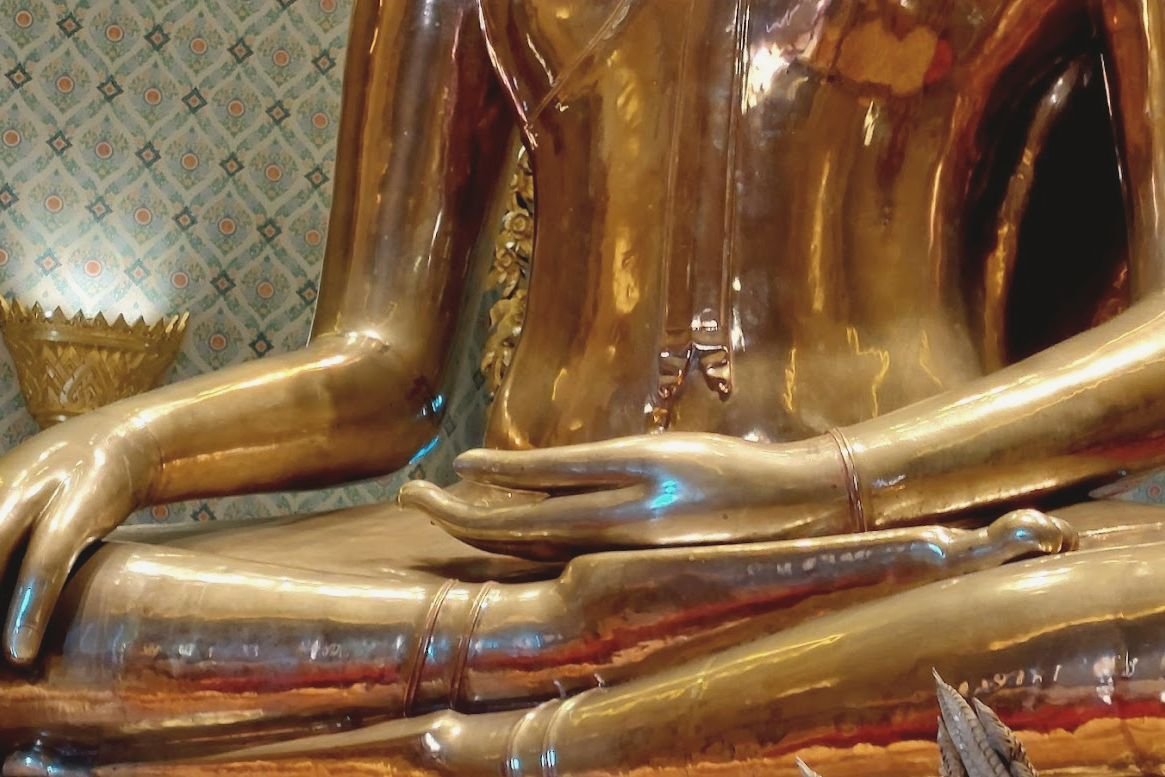
An immersive therapeutic retreat is a trip lasting several weeks, in a small group, that combines human support from professionals with deep immersion in a place, its nature and its culture, to help each participant through a difficult time and start a lasting change.
Three words matter in this definition: support, immersion and time. If one of them is missing, it is something else: a holiday, a workshop or a retreat.
In its original sense, therapeutic means taking care. A therapeutic retreat takes care of the whole person: body, emotions, relationships, and the way they make sense of their life.
It is not medical care. A serious therapeutic retreat says so clearly: it makes no diagnosis, prescribes nothing and does not replace follow-up by a doctor or psychiatrist. It comes as a complement, often at a moment when a person needs a change of setting that daily life cannot offer.
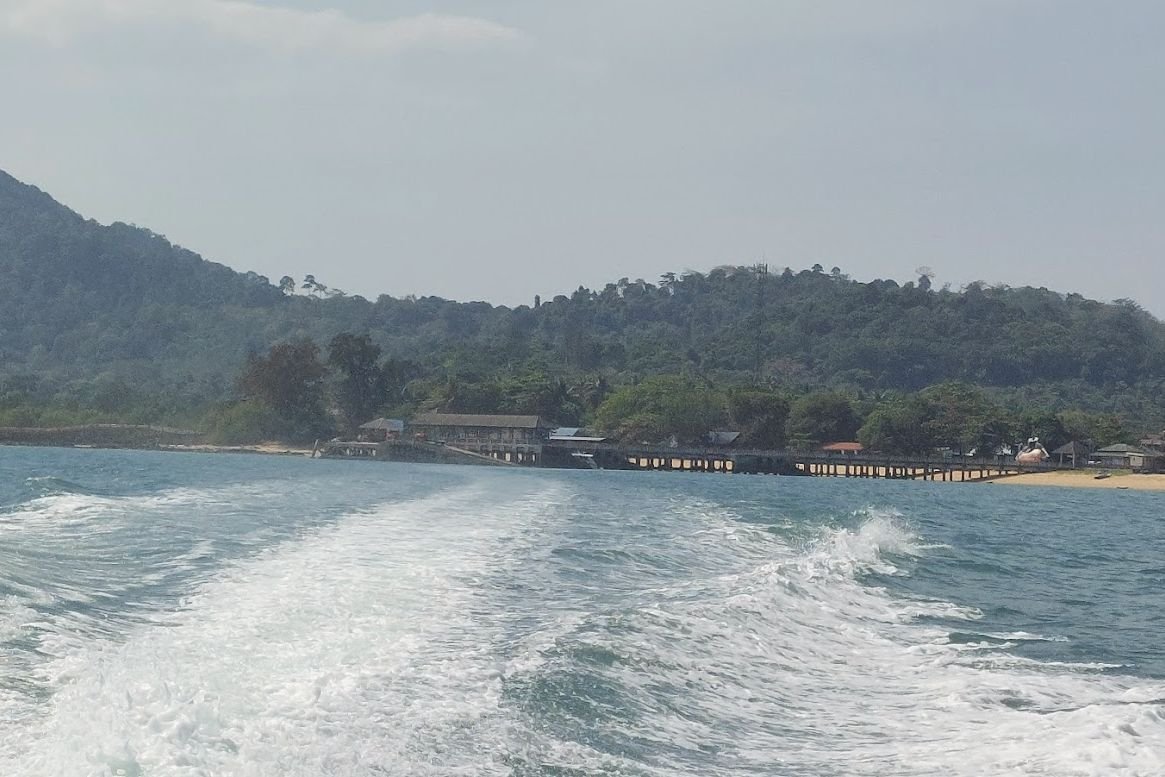
Immersion is what separates a therapeutic retreat from a seminar in a hotel. You do not watch the country through a window: you live there. You share meals with your hosts, help with the farm work, go to the market, greet the neighbours and get up with the sun.
This immersion has a very concrete effect. It takes people out of their automatic habits. The usual landmarks, the ones that sometimes keep the difficulty going, disappear. It then becomes possible to try other ways of doing and being.
Most retreats last three to seven days. That is enough to rest, not to transform. Experience shows it often takes a whole week just to unwind: to sleep again, let the tension drop and stop thinking about what you left behind.
Only then does the real work begin. With four weeks, you have three "useful" weeks to understand, experiment, sometimes slip back, start again, and begin to anchor new habits.
At PARTONS ENSEMBLE, each retreat follows four stages: arrive, explore, transform, integrate. Days alternate activity and rest, with a few fixed points:
Before departure, a call checks that the retreat is right for you. After your return, remote follow-up helps the changes last. See a typical day, hour by hour.
For adults going through a fragile period or a transition who feel they need to step out of their usual setting to move forward: after burnout, at retirement, after a separation or bereavement, in the middle of a period of questioning, or simply when life has lost its flavour.
It is not suited to acute crises, which first require medical care. Checking this, honestly, is one of the roles of the discovery call.
To learn more about our approach, read our page on therapeutic travel.
Read next
Rebuilding
When everything feels stuck, stepping away from your usual setting gets things moving again. Here is why, and on what conditions.
The retreat
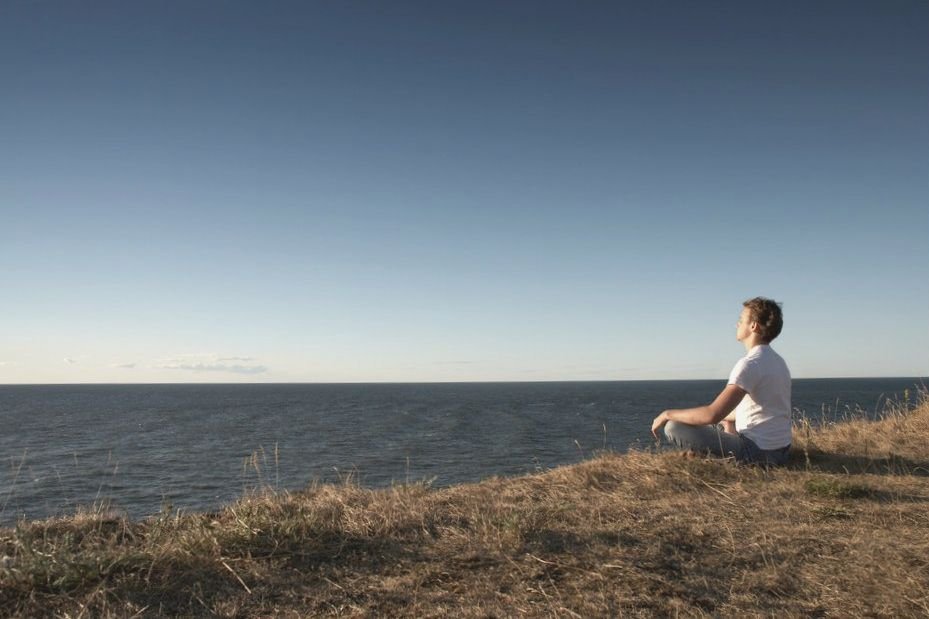
From dawn to evening, hour by hour: activities, talking circle, rest, and why this rhythm does you good.
Connection
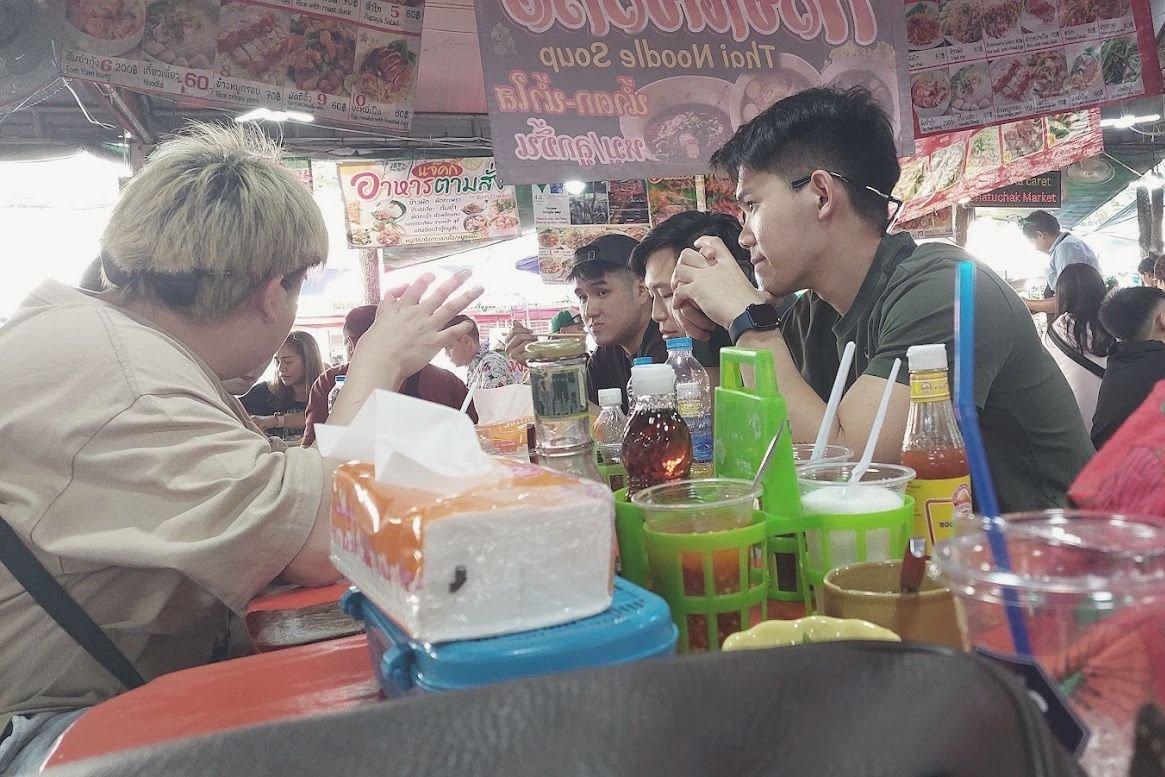
Why six to eight people is the right number, and what group dynamics bring to each person.